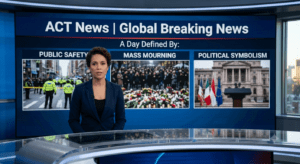
a day marked by political pressure, institutional debate, and regional instability
Recent reports highlight a wide range of developments involving humanitarian organizations, Middle East diplomacy, military positioning, and political narratives across Israel, Palestine, Iran, Lebanon, and international institutions.
The situation reflects not only ongoing regional tensions but also increasing debate over humanitarian neutrality, political influence, and internal dynamics within global organizations.
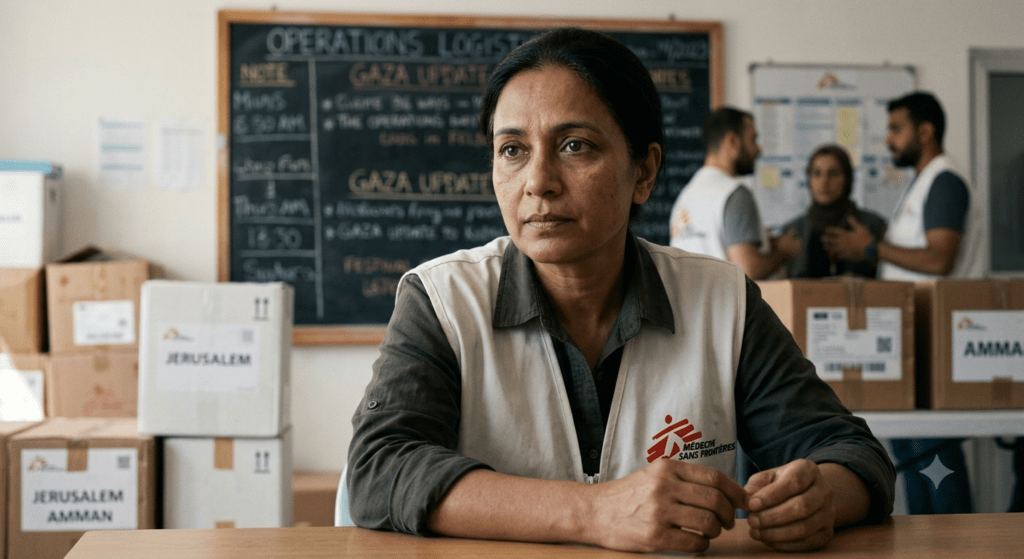
🏥 MSF faces internal controversy over allegations of bias and workplace tensions
A newly published report claims that within Médecins Sans Frontières (Doctors Without Borders) there are deeply rooted concerns involving antisemitism, anti-Zionist sentiment, and workplace hostility related to discussions about Israel and the Israeli-Palestinian conflict.
The document reportedly includes internal conversations and testimonies from staff members, including Jewish employees who describe difficult personal experiences inside the organization.
Why this matters now
Humanitarian organizations rely heavily on perceptions of neutrality. Any allegation of internal political bias can affect credibility, funding, and field operations, especially in conflict zones where trust is essential for access and coordination.
🌐 Israel, Lebanon, and northern security developments
Israeli military leadership stated that areas near Beaufort Ridge contain extensive infrastructure linked to Hezbollah, emphasizing ongoing security concerns along the northern border.
Officials also highlighted that recent arrangements involving Lebanon were made possible through sustained military pressure and operations carried out in the region.
These developments indicate continued tension along the Israel-Lebanon frontier despite diplomatic discussions.
🇮🇱 Gaza and UNRWA: political dispute over humanitarian role
Palestinian representatives criticized a decision to limit or end the role of UNRWA in Gaza, describing it as politically motivated.
They argue that the move reflects broader regional political agendas and could significantly affect humanitarian assistance in the territory.
Supporters of the decision, however, claim it is part of broader institutional restructuring efforts.
🇮🇷 Iran, Israel, and regional escalation narratives
Reports from Tehran describe public ceremonies and political messaging following the death of senior Iranian leadership figures during earlier phases of regional escalation.
Iranian officials have also stated intentions to pursue legal action against Israel and the United States regarding these events.
Meanwhile, regional tensions continue to be reflected in public discourse, protests, and political messaging across multiple countries.
⚖️ Gaza conflict narratives and hostage testimonies
A former hostage, Ilana Gritzewsky, publicly shared testimony describing experiences of abuse during captivity, stating that her case represents evidence of violence committed during the conflict period.
Such testimonies continue to influence international discussions on accountability, human rights, and the documentation of wartime experiences.
🇸🇦 Gulf region: strategic balancing between Iran and Iraq
Analysts examining Gulf Cooperation Council (GCC) dynamics suggest that Gulf states are seeking to reduce cross-border attacks originating from Iraq.
However, there is ongoing debate about whether regional influence will shift more strongly toward Baghdad or Tehran in shaping Iraq’s future security alignment.
🇱🇧 Lebanon: political framing of peace and security
Lebanese leadership continues to defend a fragile political framework aimed at stabilizing the country.
Officials acknowledge the complexity of relations with Israel while emphasizing the lack of viable alternatives to maintain stability.
This reflects the delicate balance Lebanon faces between internal pressures and regional realities.
🔬 Science and international academic support in Israel
The Israel Academy announced new doctoral fellowships supporting researchers across multiple disciplines.
The program aims to strengthen scientific development and academic continuity amid international political pressures and ongoing regional instability.
🧠 ACT News Analysis: information, institutions, and influence in conflict zones
What stands out in these developments is not only the geopolitical tension but also the increasing role of institutions—humanitarian groups, universities, and international agencies—as part of the broader political environment.
Humanitarian organizations face growing scrutiny over neutrality, while scientific and academic institutions are being positioned as tools of resilience and national continuity.
At the same time, narratives around conflict are increasingly shaped not only by events on the ground but also by testimonies, reports, and information battles in global media.
🔎 Conclusion
The current landscape reflects a highly interconnected region where politics, humanitarian work, and information flows are deeply intertwined. ACT News will continue monitoring these developments with structured and contextual reporting.
📣 ACT News – Join the discussion
Do you think humanitarian organizations can remain fully neutral in modern conflicts?
Leave your opinion in the comments and follow ACT News for more global analysis and updates.
Stay Connected
Follow ACT News for real-time updates, breaking stories, and in-depth coverage from around the world.
Never Miss a Story
Join our WhatsApp Channel and get breaking news straight to your phone.
Join WhatsApp Channel →