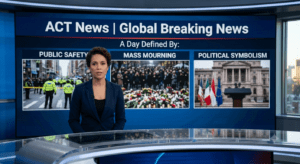
and geopolitical debate across multiple regions, with particular focus on Eastern Europe, global security alignments, and energy infrastructure.
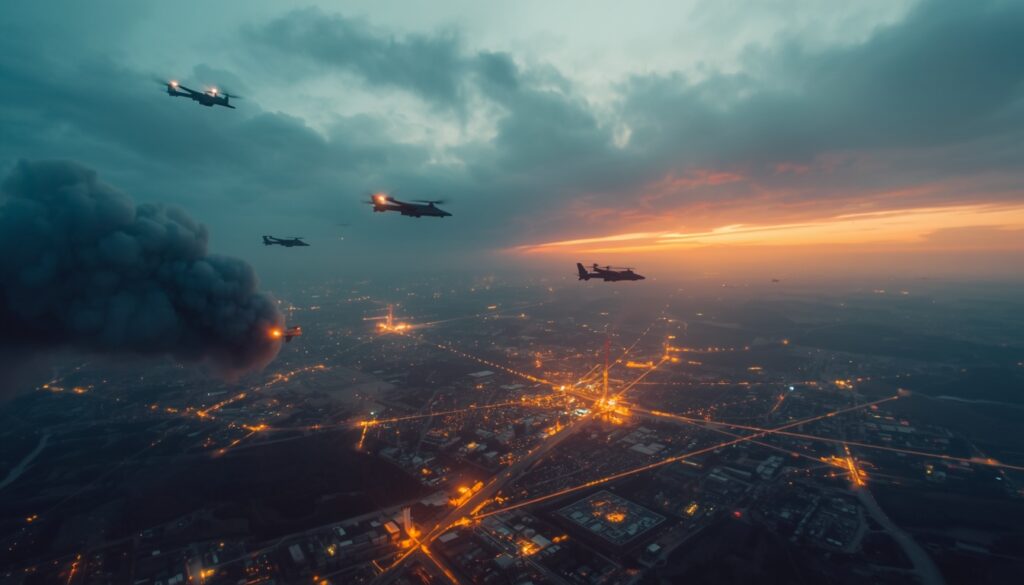
According to official statements attributed to the Russian Ministry of Defence, recent operations were described as targeting specific locations within Ukraine, presented by Moscow as responses to ongoing strikes against its own infrastructure. These statements also coincide with reports of large-scale aerial activity, including claims of intercepting hundreds of unmanned systems during incoming operations.
On the Ukrainian side, military and intelligence updates indicate continued operations against infrastructure and logistical nodes within Russian territory, including long-range actions reported against energy facilities and refineries. Ukrainian defence structures describe these actions as part of a broader effort to reduce operational capacity and limit supply chains supporting military activities.
At the same time, significant attention is being placed on energy infrastructure security, with repeated references to refineries, transport hubs, and storage facilities as strategic points of vulnerability. The increasing use of long-range unmanned systems has expanded the geographic scope of such actions, introducing new dimensions to regional security planning.
In parallel, European political discussions reflect growing debates on information sharing and internal security coordination. In Germany, policy debates have emerged regarding the handling of classified intelligence between federal authorities and regional political actors, highlighting ongoing tensions between transparency, security, and administrative control.
Within the broader NATO framework, allied nations continue to reassess defence posture, troop rotation cycles, and logistical readiness. Adjustments in deployment patterns among member states are being interpreted by analysts as part of a long-term recalibration of responsibilities between North American and European partners.
Beyond Europe, international commentary has also focused on global strategic competition, including space capabilities, energy independence trends, and shifting trade alignments among emerging economies. Discussions involving countries such as India and Indonesia point toward continued efforts to diversify financial and trade dependencies in the global system.
In the Middle East and North Africa region, commentary continues around regional security structures, energy cooperation, and diplomatic alignments involving major external powers. These discussions often intersect with broader debates on long-term stability, resource management, and military presence in key strategic zones.
ACT News observes that these developments collectively reflect a global environment marked by overlapping security concerns, technological acceleration in defence systems, and increasing complexity in international coordination mechanisms. Rather than isolated events, they form part of a broader pattern of strategic adjustment among major global actors.
As the situation continues to evolve, ACT News will maintain coverage focused on clarity, context, and structural understanding of international developments, prioritizing balanced reporting and analytical perspective.
Stay Connected
Follow ACT News for real-time updates, breaking stories, and in-depth coverage from around the world.
Never Miss a Story
Join our WhatsApp Channel and get breaking news straight to your phone.
Join WhatsApp Channel →