United States — By ACT News
The United States entered a new week with politics dominating the national conversation as President Donald Trump promoted new policy proposals, celebrated the country’s upcoming 250th anniversary, and renewed his criticism of communism during a high-profile public address. The announcements have generated debate across the political spectrum while drawing attention from supporters, critics, and international observers.
One of the most discussed developments involves a proposal under consideration by the Trump administration that critics say could affect women’s voting rights. Civil rights organizations and legal experts have raised concerns about the potential impact of the measure, arguing that any changes to voting requirements should be carefully reviewed to ensure equal access to the electoral process. Supporters of the administration, however, maintain that the proposal is intended to strengthen election security and improve confidence in the integrity of U.S. elections. As discussions continue, the initiative is expected to face legal and political scrutiny before any final action is taken.
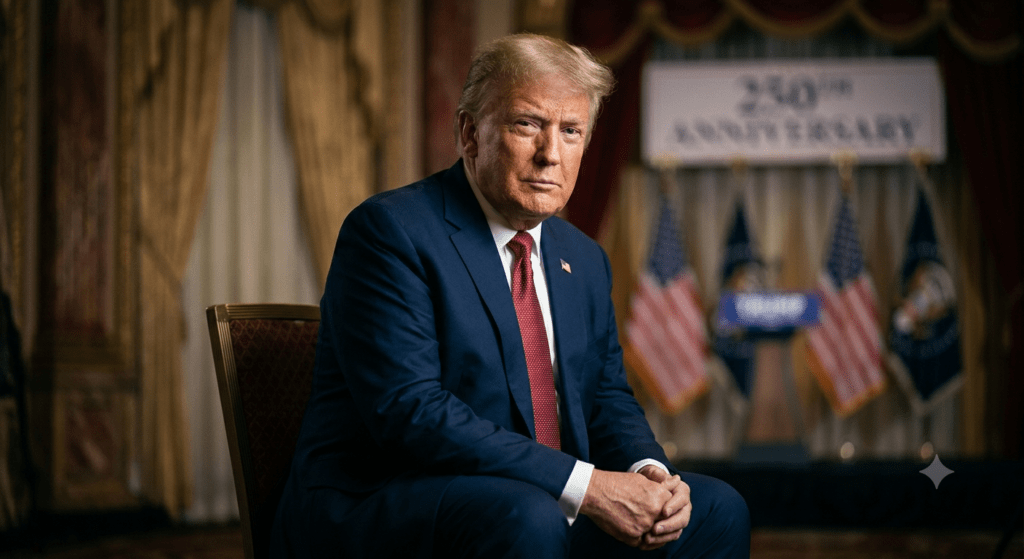
Preparations are also underway for the nationwide celebration of the 250th anniversary of American independence, one of the largest commemorative events planned in recent decades. Festivities are expected to include fireworks displays, military ceremonies, parades, concerts, and historical exhibitions across the country. During a public address, President Trump described the anniversary as an opportunity to celebrate what he called the strength, resilience, and values of the “American Republic,” encouraging citizens to reflect on the nation’s history and future.
In the same speech, Trump delivered a strong criticism of communism, describing it as a “cancer” and arguing that the United States must continue defending democratic institutions and free-market principles. The president also renewed his support for the SAVE America Act, presenting it as part of a broader agenda focused on election security, border enforcement, and national sovereignty. His remarks immediately fueled political debate, with supporters praising the administration’s message while opponents questioned both the language used and the policy priorities outlined during the event.
The latest developments come as the United States moves closer to another important election cycle, with immigration, voting laws, economic policy, and national identity remaining among the country’s most closely watched political issues. Analysts expect these topics to continue shaping congressional debates, campaign strategies, and public opinion over the coming months.
Beyond Washington, preparations for the nation’s 250th anniversary are expected to bring together communities across the country, highlighting American history while also reflecting the diverse political perspectives that continue to define public life in the United States. At the same time, discussions surrounding voting legislation and constitutional rights are likely to remain at the center of legal and political attention as lawmakers consider future reforms.
Together, these developments illustrate a period of heightened political activity in the United States, where legislative proposals, national celebrations, and campaign messaging are increasingly intertwined. The coming months will determine how these initiatives evolve and what impact they may have on American politics ahead of future elections.
Sources: White House, U.S. government statements, civil rights organizations, and national media reports.
What do you think will have the greatest impact on the United States: election policy, national celebrations, or immigration reforms? Share your thoughts in the comments, follow ACT News, and check the link in our bio for more coverage of U.S. and global news.
Stay Connected
Follow ACT News for real-time updates, breaking stories, and in-depth coverage from around the world.
Never Miss a Story
Join our WhatsApp Channel and get breaking news straight to your phone.
Join WhatsApp Channel →