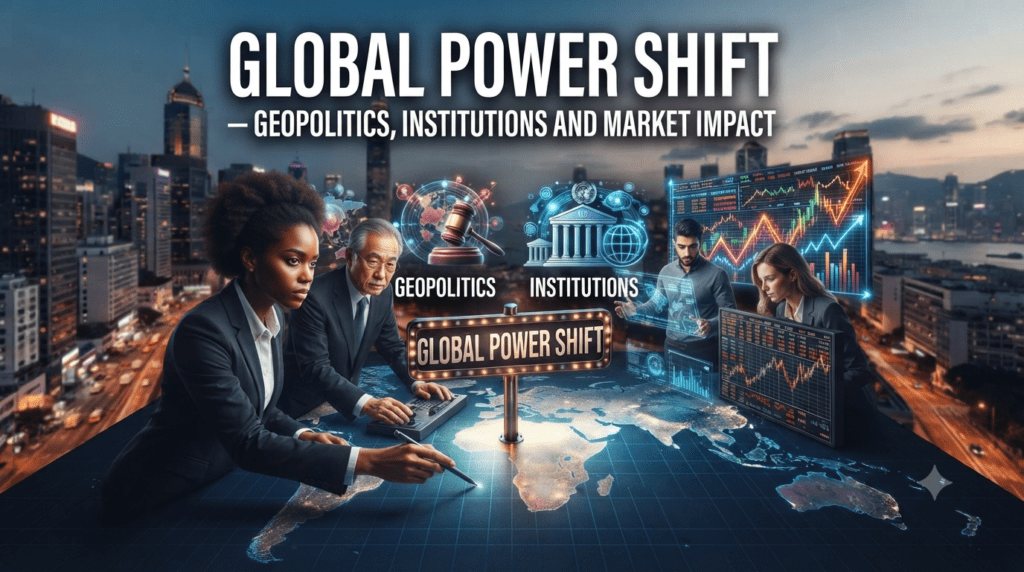
Recent international developments point to a period of heightened geopolitical sensitivity combined with institutional shifts, cultural polarization, and market reactions across multiple regions. Based on reporting from Fox News and broader international coverage, these events are not isolated incidents but interconnected signals influencing global risk perception, energy markets, political stability expectations, and investor behavior.
GEOPOLITICAL TENSION AND ENERGY SECURITY RISK
Recent reports involving Iran and strategic areas such as the Strait of Hormuz highlight continued sensitivity in one of the world’s most important energy corridors. Any escalation in this region tends to immediately affect global oil pricing, shipping insurance costs, and supply chain stability.
From an economic standpoint, the Strait of Hormuz is a critical chokepoint for global energy flows. Even limited uncertainty in this area can lead to higher Brent crude volatility and increased hedging activity among energy traders. Financial markets typically respond not only to confirmed disruptions, but also to perceived risk of disruption.
ACT News interpretation: energy markets are increasingly pricing geopolitical uncertainty in real time, meaning risk premiums are now embedded faster and more aggressively than in previous cycles.
LEADERSHIP TRANSITION AND REGIONAL STABILITY PERCEPTION
Discussions around leadership transitions in Iran contribute to broader regional uncertainty. When long-standing political leadership faces transition scenarios, markets often begin to evaluate possible policy shifts in foreign relations, energy exports, and internal economic direction.
Although such developments are primarily political, their economic effects are transmitted through oil markets, currency stability in regional economies, and defense spending expectations among neighboring states.
ACT News view: leadership uncertainty in strategically important nations tends to act as a multiplier for global energy and defense-related market volatility.
INSTITUTIONAL AND RELIGIOUS STRUCTURAL CHANGES
Recent institutional decisions involving religious authorities and internal divisions within major organizations reflect broader patterns of fragmentation in global institutions.
While not directly financial, these developments contribute to long-term shifts in cultural cohesion and institutional trust. Historically, declines in institutional trust correlate with increased market caution and slower investment cycles in affected regions.
ACT News analysis: institutional fragmentation is becoming a recurring global theme, extending beyond politics into cultural and social systems, influencing long-term economic confidence indirectly.
U.S. POLITICAL AND ELECTORAL SYSTEM DEBATES
Changes in voting procedures and judicial decisions in the United States continue to shape discussions around electoral systems and institutional design. These developments influence perceptions of governance stability, which is a key variable for both domestic and international investors.
Financial markets typically respond to institutional predictability. When electoral systems are debated or adjusted, investors often reassess medium-term risk exposure, particularly in sectors sensitive to policy regulation.
ACT News perspective: institutional stability in major economies remains a hidden but powerful driver of global capital allocation decisions.
SOCIAL POLICY PRESSURES AND LOCALIZED HOUSING DEBATES
Debates in coastal urban regions regarding housing availability and social policy reflect growing pressure on local governments to balance affordability, infrastructure capacity, and demographic growth.
These issues, while localized, have broader economic implications. Housing policy directly affects labor mobility, consumer spending, and regional inflation dynamics.
ACT News interpretation: housing policy is no longer a purely domestic issue; it is a structural economic variable that influences productivity and urban competitiveness.
CULTURAL INFLUENCE AND CONSUMER ECONOMY SIGNALS
High-profile cultural narratives involving entertainment figures and public opinion trends continue to shape media-driven consumer cycles. While these topics appear cultural in nature, they often correlate with advertising markets, streaming consumption, and brand valuation dynamics.
Consumer sentiment in entertainment-heavy economies can influence short-term retail and digital platform performance, particularly in advertising-driven sectors.
ACT News notes: cultural attention cycles are increasingly functioning as micro-economic indicators of consumer engagement.
SPORTS, MEDIA AND GLOBAL AUDIENCE ECONOMY
International sports discussions, including competitive decisions and public reactions, reflect the growing commercialization of global sports ecosystems. Media rights, sponsorships, and digital engagement now represent multi-billion-dollar industries influenced by public perception and regulatory decisions.
Even isolated sporting controversies can affect broadcast ratings, advertising pricing, and platform engagement metrics.
ACT News view: global sports have become fully integrated into financial media ecosystems, where audience attention directly translates into economic value.
ENERGY MARKETS AND GLOBAL PRICE STABILITY
Energy pricing continues to react to geopolitical signals, policy announcements, and transport route risk assessments. Even in the absence of physical disruptions, expectations alone are sufficient to shift futures pricing.
This demonstrates how modern energy markets operate on expectation-based models rather than purely supply-driven fundamentals.
ACT News analysis: expectation-driven pricing has become the dominant force in global energy markets.
FINAL SYNTHESIS: A MULTI-LAYER GLOBAL SYSTEM
When combining geopolitical tension in energy corridors, institutional transitions, legal and electoral debates, social policy pressures, cultural influence cycles, and global sports commercialization, a clear structural pattern emerges:
The global system is operating through interconnected layers where political signals, institutional decisions, cultural trends, and energy risks all feed into financial markets simultaneously.
ACT News conclusion: global stability today is no longer determined by single events, but by how quickly interconnected systems absorb and reprice uncertainty across politics, energy, and society.
Stay Connected
Follow ACT News for real-time updates, breaking stories, and in-depth coverage from around the world.
Never Miss a Story
Join our WhatsApp Channel and get breaking news straight to your phone.
Join WhatsApp Channel →