ACT News Exclusive Global Analysis
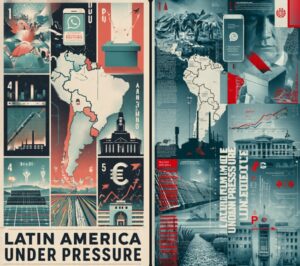
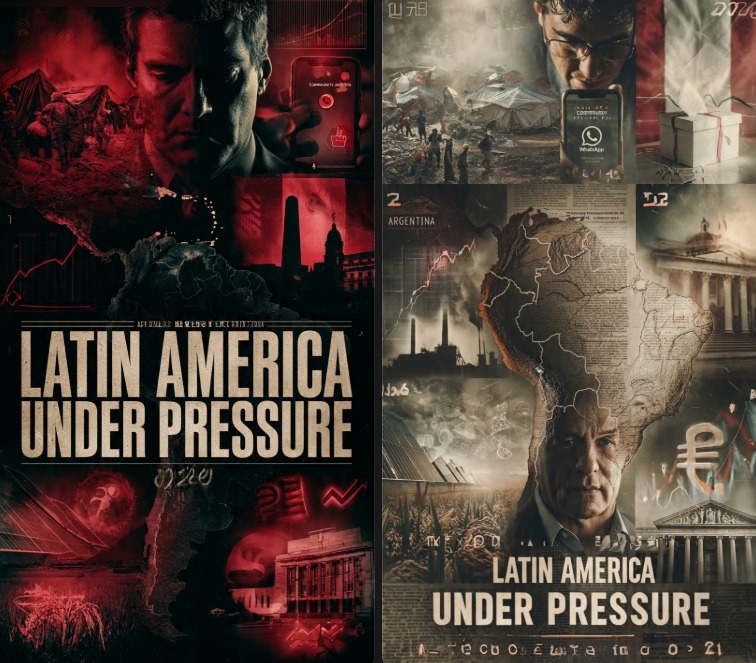
Latin America is experiencing a period of intense transformation as natural disasters, political changes, economic challenges and market movements reshape the region’s agenda. From the aftermath of a powerful earthquake in Venezuela to major electoral developments in Peru and new economic pressures affecting countries such as Argentina, Brazil and Mexico, recent events reveal a region facing simultaneous crises and opportunities.
The latest developments show how governments, citizens and institutions are being forced to respond quickly to unpredictable situations while managing long-term challenges involving economic stability, public confidence and social demands.
Venezuela Faces Humanitarian Challenges After Double Earthquake Disaster
Venezuela has been dealing with the consequences of a double earthquake event that affected thousands of people and created a new humanitarian challenge for local authorities.
The seismic activity caused significant concern among communities as emergency teams worked to evaluate structural damage, assist affected families and provide immediate support.
Reports indicated that 1,719 people were impacted by the earthquake, leading the Venezuelan government to establish temporary shelters for residents who were unable to return safely to their homes.
The creation of emergency housing centers became one of the government’s main responses, providing protection, food assistance and basic services for families affected by the disaster.
However, the crisis also exposed difficulties in communication and access to information. Many Venezuelans turned to digital platforms, especially WhatsApp, to search for relatives, share updates and help locate people in areas where official information was limited.
The situation demonstrated how social networks have become an important tool during disasters, allowing communities to organize quickly when traditional communication systems face pressure.
The earthquake also renewed discussions about emergency preparedness, infrastructure safety and the ability of governments to respond effectively during natural disasters.
For ACT News, the Venezuelan earthquake highlights the human side of regional crises, where communities often become essential actors in rescue and recovery efforts.
Peru’s Election Produces Extremely Narrow Victory After Divisive Campaign
While Venezuela faced a natural emergency, Peru entered a new political phase after a closely contested presidential election.
Conservative candidate Keiko Fujimori secured a narrow victory after defeating left-wing rival Roberto Sánchez by a very small margin.
The result was decided by only 49,641 votes, making it one of the closest electoral outcomes in recent Peruvian political history.
Fujimori’s victory marked another major chapter in her political career, coming after previous presidential campaigns and years of influence within Peru’s political landscape.
The election revealed a deeply divided electorate, with almost half of voters supporting the opposing candidate.
The narrow result created expectations for the next government to address political tensions, rebuild trust and respond to economic and social demands.
Peru’s political environment continues to be shaped by questions about institutional stability, leadership and the ability to unite different parts of society.
The election also reflects a broader regional trend, where Latin American democracies are experiencing increasingly competitive races and stronger debates over the future direction of government policies.
Argentina Battles Inflation Pressure as Economic Recovery Remains Uneven
Argentina continues to face economic challenges as new inflation data revealed ongoing pressure on the country’s recovery.
Economic reports showed that Argentina’s economy contracted in April, while growth remained uneven across different sectors.
The figures represent a difficult moment for the government as it attempts to stabilize public finances, control inflation and restore confidence in the economy.
President Javier Milei’s administration has pursued major economic reforms aimed at reducing spending and transforming Argentina’s financial system.
However, the adjustment process has created political and social challenges, with many citizens facing the effects of economic changes.
The situation became even more complicated after Milei’s chief of staff resigned months after a controversy involving private aircraft, creating additional political pressure for the administration.
The president later selected a longtime political figure to lead his cabinet, a move interpreted as an effort to strengthen government coordination during a period of economic uncertainty.
Argentina’s current situation shows the difficulty of balancing aggressive economic reforms with public expectations and political stability.
Brazil Announces New Measures as Election Season Approaches
Brazil also entered a crucial political and economic period as President Luiz Inácio Lula da Silva announced new assistance measures aimed at supporting workers.
The announcement comes as the country moves closer to another important electoral cycle, increasing attention on government policies and economic performance.
The new measures are designed to provide additional support for workers while addressing concerns about living costs and economic conditions.
At the same time, Brazil continues to manage broader challenges involving energy, agriculture and infrastructure.
The country’s growing solar energy sector is becoming an important test for the national electricity system, especially as demand increases and major international events place additional pressure on infrastructure.
Brazil’s agricultural sector is also facing concerns linked to climate conditions, with El Niño threatening to worsen difficulties for rice producers.
These issues demonstrate that Brazil’s future challenges are not only political but also connected to climate, technology and economic planning.
Mexico and Global Markets React to Trade Pressures
Mexico’s financial markets recently experienced volatility as the peso dropped more than 2%, becoming one of the emerging-market currencies most affected by new tariff concerns.
The decline reflected investor uncertainty and broader global economic pressures.
Mexican markets later resumed trading after a temporary interruption, while the country’s central bank introduced additional tools aimed at supporting liquidity and maintaining financial stability.
The situation shows how international trade decisions continue to influence emerging economies, especially countries deeply connected to global supply chains.
Meanwhile, United States markets received support from technology stocks after previous selling pressure linked to concerns around artificial intelligence investments.
The movement in U.S. markets also affected global investor sentiment, demonstrating how connected modern economies have become.
A Region Facing Multiple Fronts
Across Latin America, recent events reveal a region navigating several simultaneous challenges.
Venezuela is dealing with disaster recovery, Peru is entering a new political chapter, Argentina is attempting economic restructuring, Brazil is preparing for future political debates, and Mexico is responding to international market pressures.
Despite the difficulties, these events also demonstrate the resilience of institutions, communities and citizens throughout the region.
For ACT News, Latin America’s current moment represents a complex combination of crisis, adaptation and transformation — where natural disasters, politics and economics continue shaping the future of millions of people.
Stay Connected
Follow ACT News for real-time updates, breaking stories, and in-depth coverage from around the world.
Never Miss a Story
Join our WhatsApp Channel and get breaking news straight to your phone.
Join WhatsApp Channel →