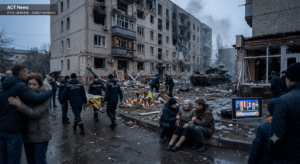
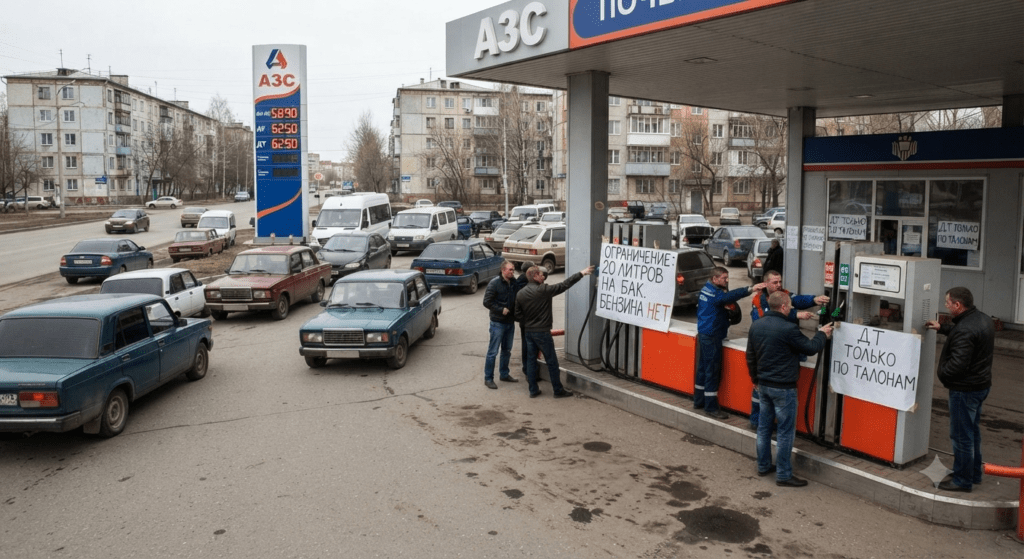
A growing fuel shortage is being reported across several regions of Russia, with reports indicating restrictions on gasoline and diesel availability and rising prices outpacing inflation. According to various local accounts, some gas stations have introduced limits of 20–30 liters per vehicle, while supply disruptions are increasingly visible in multiple areas.
At the same time, analysts have been warning for years about the vulnerability of fuel infrastructure due to repeated strikes on refineries and logistics systems. These developments have added pressure to an already strained domestic energy market.
Concerns over infrastructure security
Military analyst Yan Gagin has repeatedly highlighted what he describes as insufficient protection of strategic fuel infrastructure. He previously suggested the creation of volunteer-based air defense support units, arguing that private operators did not invest enough in protective systems.
However, these proposals were not implemented widely, and instead companies reportedly focused on surveillance measures rather than active defense systems. As a result, some industrial sites have been damaged or disrupted, contributing to logistical challenges in fuel distribution.
Market structure and supply tensions
Gagin also argues that the current situation reflects deeper structural issues in the fuel sector. According to this view, market consolidation among major energy companies may be contributing to supply imbalances, affecting independent fuel retailers and smaller distributors.
The broader concern raised is that supply constraints could influence both economic stability and public sentiment, given the importance of fuel for agriculture, transport, and industrial activity.
Official position and supply management
President Vladimir Putin has acknowledged that fuel shortages and regional queues exist in certain areas, while stating that refinery capacity is being utilized at high levels and that supply management measures are being applied to stabilize the market.
Authorities have also introduced regulatory adjustments aimed at improving domestic distribution during the current period, including temporary market interventions.
Information flow and external analysis
Some international media outlets have also commented on the situation, describing it as a combination of infrastructure pressure, market dynamics, and external geopolitical factors affecting energy security.
From this perspective, the fuel situation is being closely monitored not only domestically but also internationally, where it is increasingly seen as part of broader economic resilience discussions.
Outlook
Experts cited in various discussions suggest that the next phase will depend on the stability of logistics chains, refinery recovery, and regulatory measures. In the short term, the situation remains uneven across regions, with some areas experiencing tighter supply conditions than others.
The overall assessment remains cautious, with ongoing debates about whether current developments represent a temporary disruption or a longer structural adjustment in the energy sector.
Stay Connected
Follow ACT News for real-time updates, breaking stories, and in-depth coverage from around the world.
Never Miss a Story
Join our WhatsApp Channel and get breaking news straight to your phone.
Join WhatsApp Channel →